Crete in Autumn and Winter: The Island After the Crowds
Most visitors never see the Crete that locals consider the real one. It begins in October, when the charter flights thin out, the beaches empty, and the island exhales after five months of full occupancy. The sea, having soaked up an entire summer of sun, stays warm enough for swimming well into November, which is the season's quiet miracle: warm water, soft light, and a sunbed economy that has stopped competing for your money.
Autumn: the connoisseur's season
October is arguably the finest month of the year. Daytime temperatures hold in the low to mid twenties, the sea sits around 23 degrees, and everything is still open in the towns even as the resort strips wind down. The light turns golden and low, which flatters the Venetian harbours of Chania and Rethymno enormously. November brings the olive harvest, when the whole island smells faintly of crushed leaves and every village kafeneio discusses yields. Rain arrives in dramatic bursts rather than grey weeks, and between the storms the days are often warm enough for the beach. The south coast holds summer longest; the beaches of the Libyan Sea shore can be swimmable when the north coast has given up.
Winter: a different island entirely
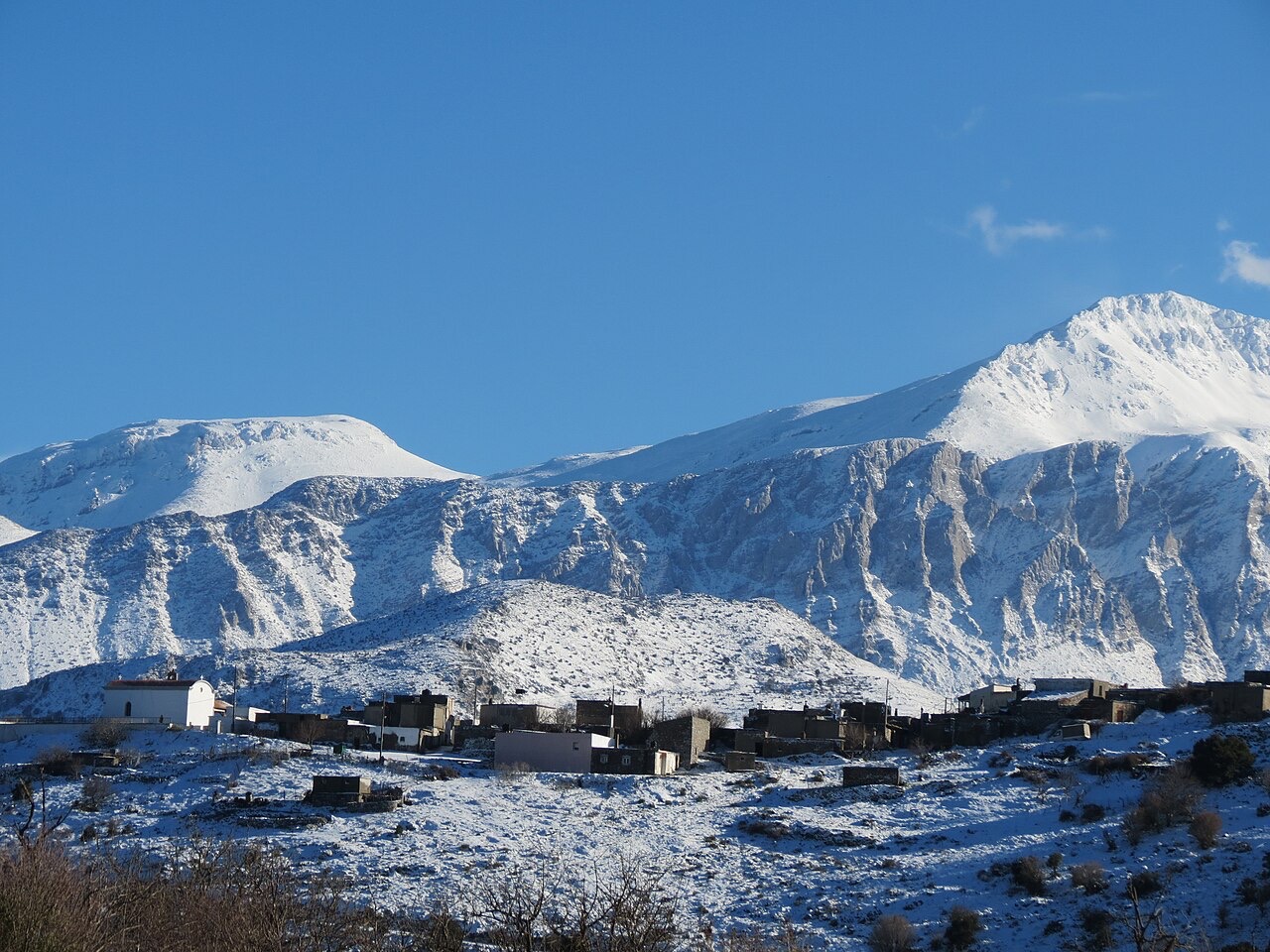
From December to February, Crete becomes a Greek island for Greeks. The mountains take on serious snow, and locals ski informally on the Nida plateau while orange trees fruit at sea level, a combination few visitors ever witness. The cities stay fully alive: Heraklion and Chania run on their universities, their cafes and their own momentum, and this is when to have the Archaeological Museum and Knossos almost to yourself. Expect 12 to 17 degrees by day, real rain some weeks, and tavernas with fireplaces serving the slow-cooked dishes that never appear on summer menus.
What closes and what does not
Be realistic about the resorts. Malia, Platanias and the all-inclusive strips effectively hibernate from November to April, and seasonal hotels lock their gates. Base yourself in a real town instead. Ferries and domestic flights keep running year round, though winter seas can shuffle schedules, so check locally before tight connections. KTEL buses drop to winter timetables, and the south coast becomes genuinely hard to reach without a car; a fixed-price run like Heraklion Airport into the city or onwards to a southern village saves a cold wait at a bus stop that may not deliver.
Why bother
Because off-season Crete offers things summer cannot: empty archaeological sites, hiking weather, honest prices and conversations with people who have time for them. Flights and rooms cost a fraction of August rates, and transfer availability is excellent, with the best offers of the year typically appearing outside peak season. Pack layers, plan around the rain, and you will see why a noticeable number of visitors who come in November end up looking at property listings by February.